


Beaujolais
Beaujolais is the spiritual home of Gamay, producing wines renowned for their purity, freshness and drinkability. While the region is famous for its youthful Beaujolais Nouveau, its greatest wines come from ten Crus that showcase the remarkable depth, complexity and terroir that Gamay can achieve.



Learn More About Beaujolais
Where is Beaujolais?
Beaujolais lies immediately south of Burgundy in eastern France, stretching for around 55km between Mâcon and Lyon. Although often associated with Burgundy, Beaujolais has its own identity, grape variety and winemaking traditions.The region is divided into three main levels: Beaujolais, Beaujolais-Villages and the 10 Crus of Beaujolais, including Morgon, Fleurie, Moulin-à-Vent, Brouilly and Juliénas. As you travel north, the soils become increasingly granite-rich and the wines generally gain greater structure and complexity.
What Makes Beaujolais So Special?
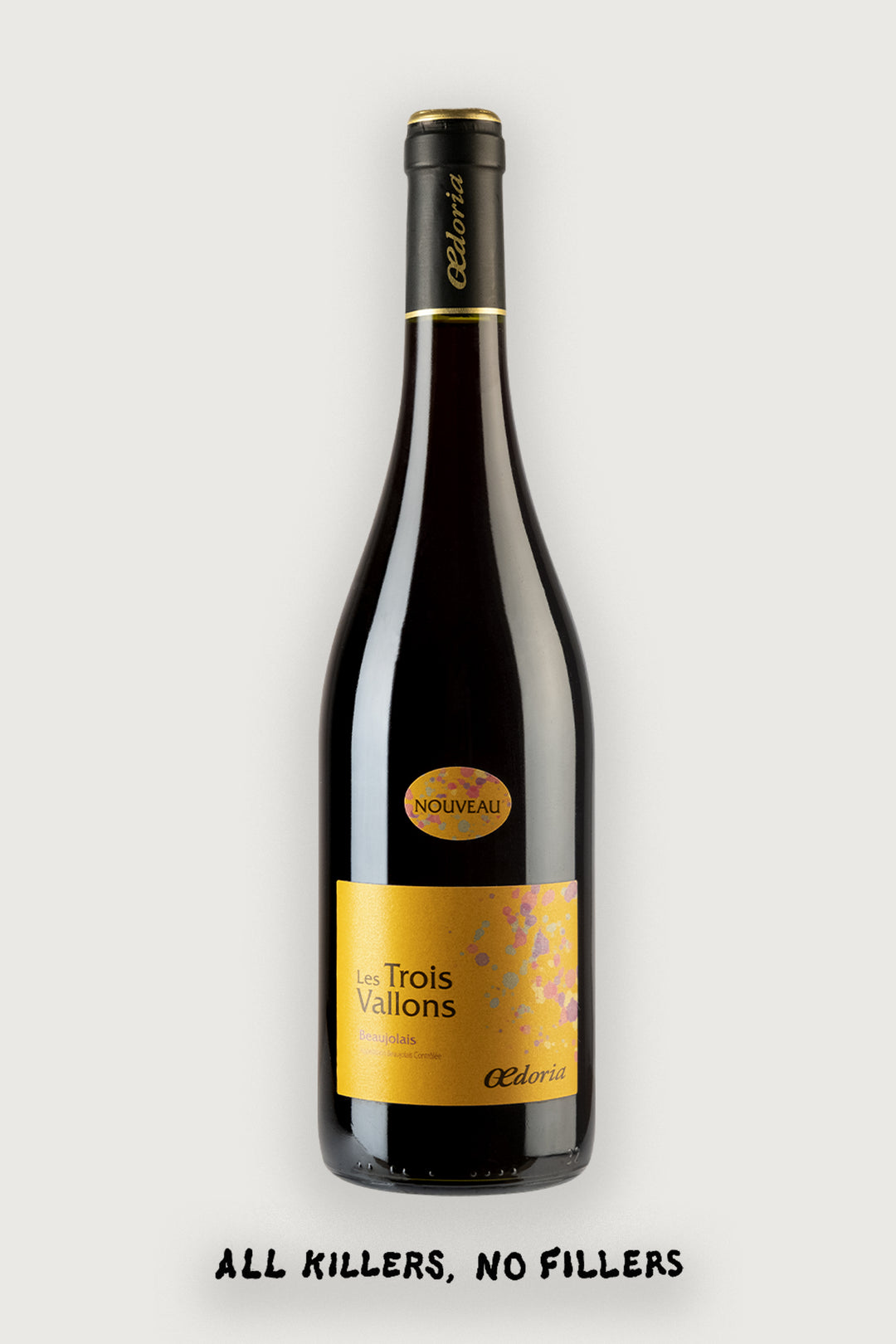
Gamay is the undisputed star of Beaujolais. Naturally low in tannin and bursting with flavours of cherry, raspberry, blackberry and violet, it produces wonderfully fresh, approachable wines that are often best served slightly chilled.While Beaujolais Nouveau has helped make the region famous, there's far more to discover. The Crus of Beaujolais produce some of France's most exciting reds, combining bright fruit with floral aromas, mineral freshness and surprising ageing potential. Wines from Morgon and Moulin-à-Vent, in particular, can develop remarkable depth and complexity over time.
Beaujolais is also one of the best places to find exceptional quality at affordable prices, making it a favourite among sommeliers and wine lovers alike.
Climate, Soils & Winemaking
Beaujolais enjoys a semi-continental climate with warm summers and relatively cool winters, while the southern part of the region benefits from a touch of Mediterranean influence. These conditions help Gamay ripen fully while retaining the bright acidity that gives the wines their trademark freshness.The region's famous granite and schist soils, particularly in the north, encourage wines with lifted aromatics, vibrant fruit and a distinct mineral character. Further south, clay and limestone soils tend to produce softer, fruitier styles.
Many Beaujolais wines are made using semi-carbonic maceration, a technique that enhances juicy fruit flavours, silky textures and floral aromas. Combined with gentle winemaking and minimal oak influence, the result is wines that are lively, expressive and incredibly drinkable, whether enjoyed young or aged for several years.