


Rioja
Rioja is Spain's most famous wine region, celebrated for its silky Tempranillo, beautifully balanced oak ageing and exceptional value. From vibrant young reds to complex Gran Reservas and increasingly exciting whites, Rioja produces wines that combine tradition, elegance and incredible drinkability.


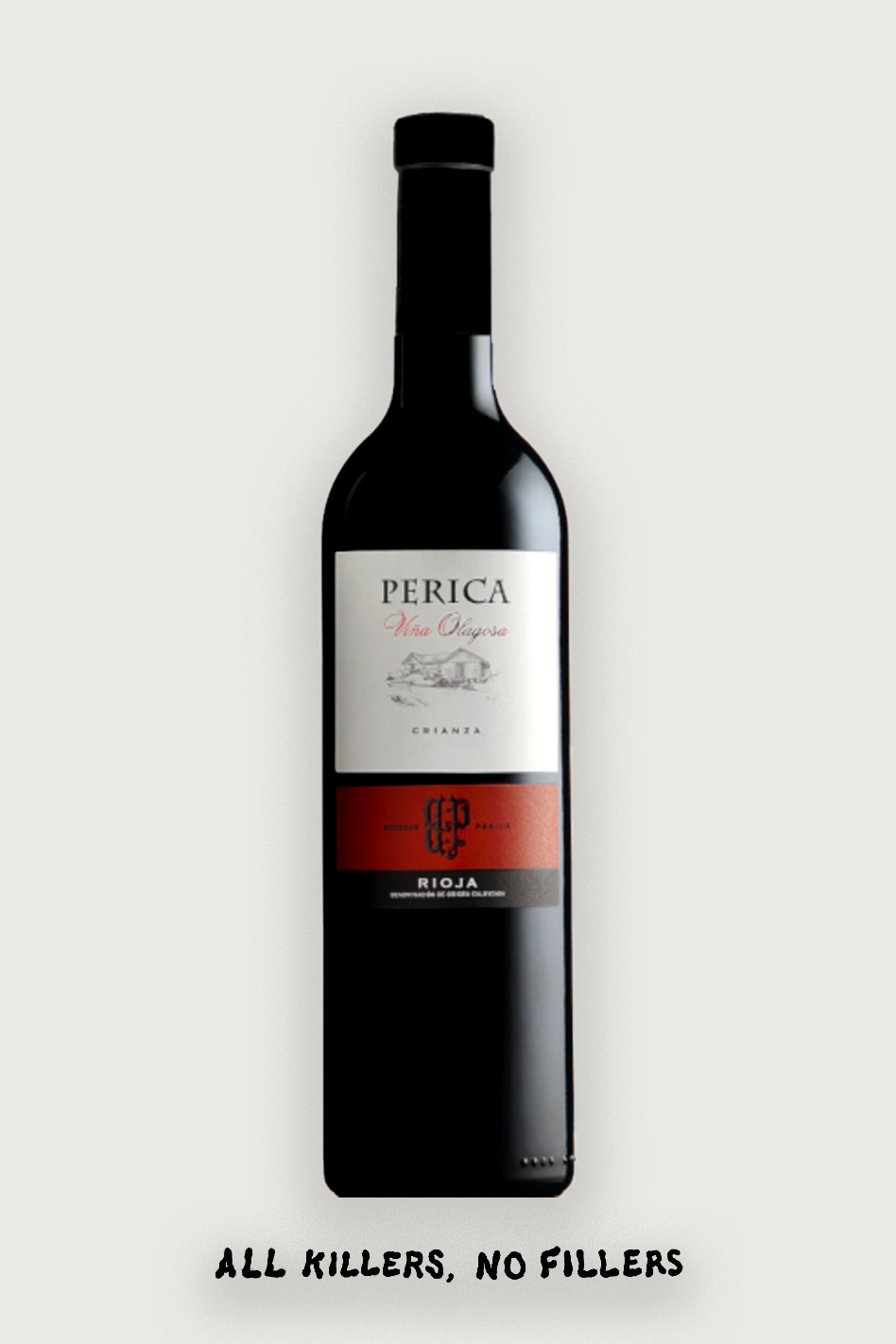


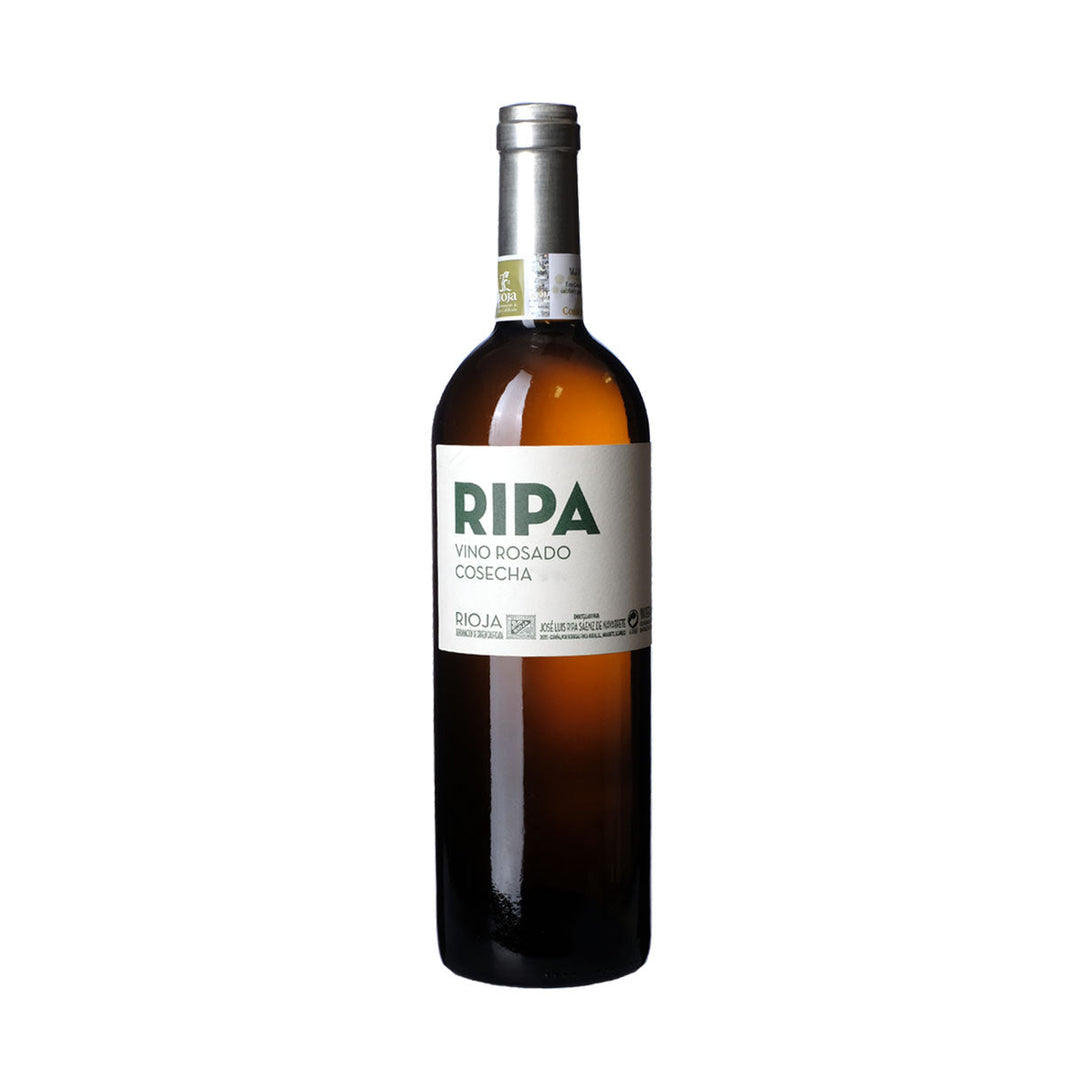


Learn More About Rioja
Where is Rioja?
Rioja is located in northern Spain, following the course of the River Ebro between the Cantabrian Mountains to the north and the Sierra de la Demanda to the south. These mountain ranges help protect the vineyards from extreme weather, creating ideal conditions for producing balanced, expressive wines.The region is divided into three sub-regions: Rioja Alta, Rioja Alavesa and Rioja Oriental. Rioja Alta is known for elegant, age-worthy wines, Rioja Alavesa often produces fragrant and refined styles, while the warmer Rioja Oriental delivers riper, fuller-bodied wines. Together, they create one of the most diverse wine regions in Spain.
What Makes Rioja So Special?
Rioja has long been synonymous with Tempranillo, the grape that forms the backbone of most of the region's red wines. It delivers flavours of red cherry, plum and blackberry, often complemented by notes of vanilla, coconut, spice and tobacco from careful oak ageing.One of Rioja's defining features is its ageing classification system. Crianza, Reserva and Gran Reserva indicate minimum ageing requirements, giving drinkers a helpful guide to style and maturity. While these traditional wines remain hugely popular, a new generation of producers is also placing greater emphasis on individual vineyards, villages and terroir, creating fresher, more site-specific expressions of Rioja.
Although red wine dominates, Rioja also produces excellent whites from varieties such as Viura, along with smaller plantings of Garnacha Blanca, Malvasía and Tempranillo Blanco.
Climate, Soils & Winemaking
Rioja enjoys a unique mix of Atlantic, continental and Mediterranean influences, giving the region a long growing season and helping grapes achieve full ripeness while retaining freshness. Cooler western vineyards generally produce more elegant wines, while the eastern parts of the region benefit from warmer, drier conditions.The soils are equally varied, ranging from limestone-rich clay and chalky slopes to iron-rich clay and alluvial river deposits. These differences contribute to the distinctive personalities found across Rioja's vineyards.
Oak ageing remains central to Rioja's identity, with many producers using American oak, French oak or a combination of both to build complexity without overwhelming the fruit. Alongside these traditional methods, many modern winemakers now favour gentler extraction and shorter oak ageing to showcase brighter fruit and a stronger sense of place. The result is a region that continues to honour its heritage while constantly evolving, offering wines with elegance, character and remarkable versatility.