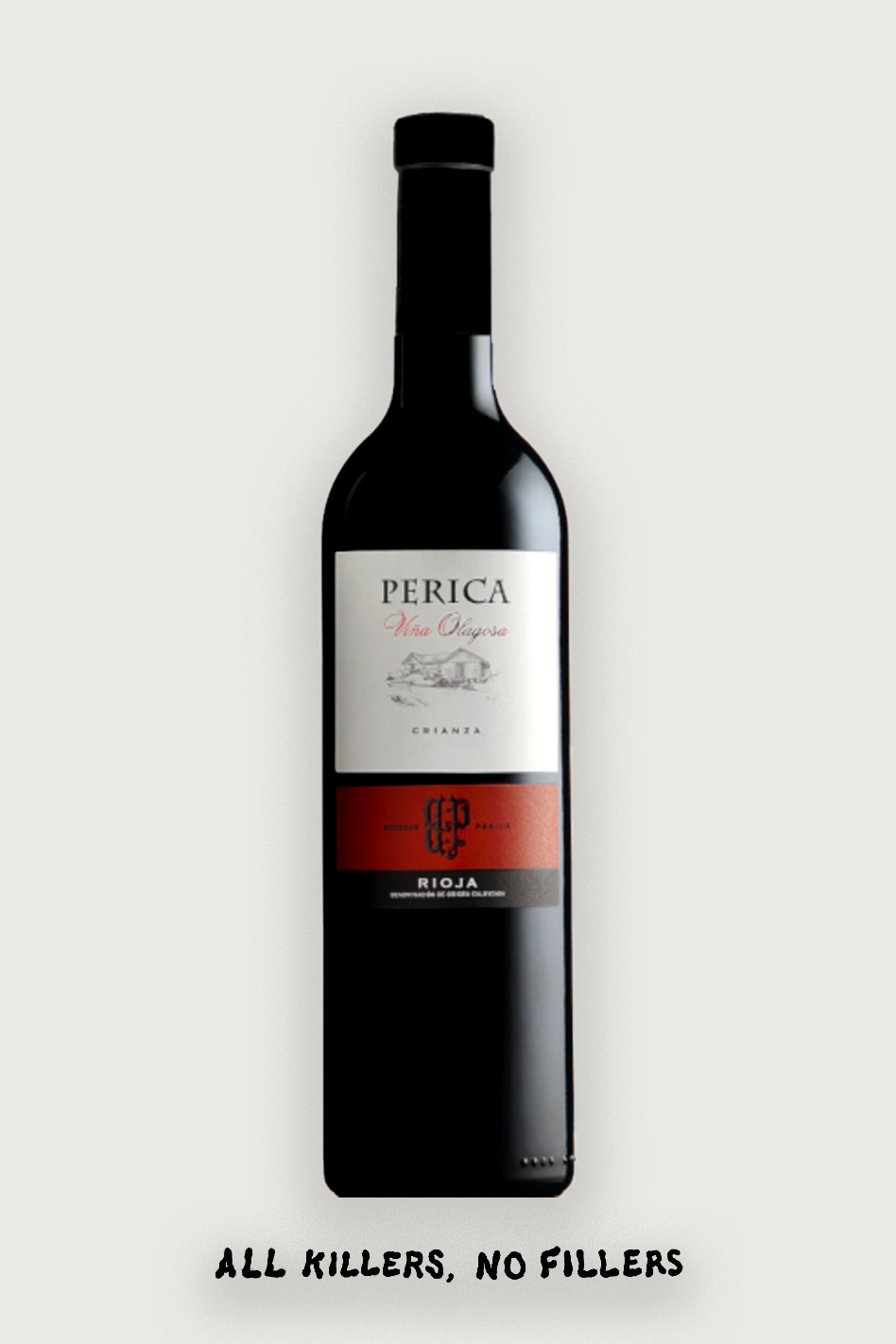
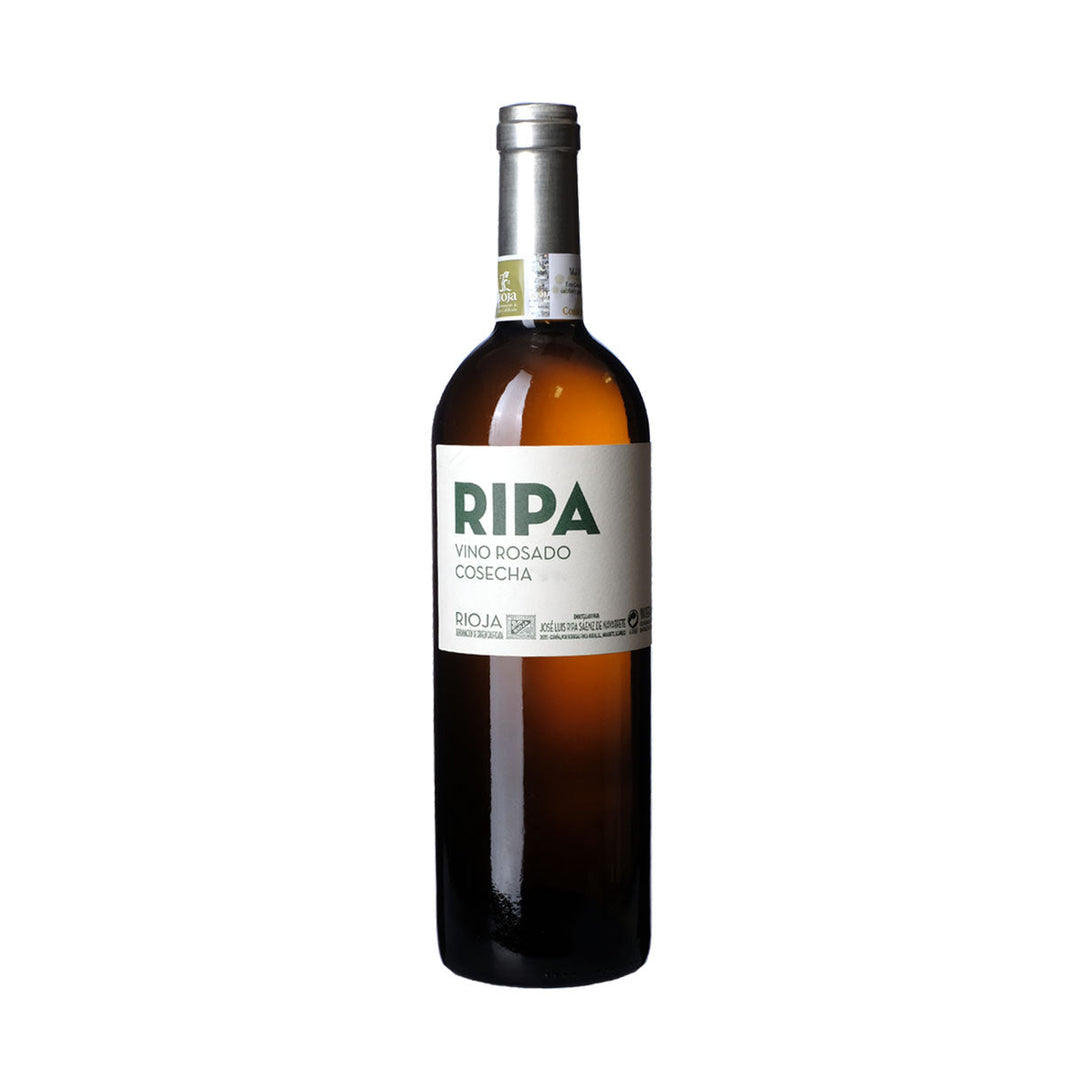
Learn More About Garnacha / Grenache
Where it comes from
Garnacha is widely believed to have originated in Aragón, northeastern Spain, where it has been grown for hundreds of years. From there it spread across the Mediterranean, becoming one of the defining grapes of southern France, where it is known as Grenache. Today it is a cornerstone of famous appellations including Châteauneuf-du-Pape, Gigondas and Priorat, prized for its ability to produce generous, expressive wines with remarkable depth and warmth.
Where it thrives around the world
Garnacha flourishes in warm, dry climates where it can fully ripen. Spain remains home to many of the world's greatest examples, particularly in Priorat, Campo de Borja, Calatayud and Cariñena, while southern France produces exceptional Grenache throughout the Rhône Valley and Languedoc-Roussillon. The variety has also found success in Australia, California and South Africa. Whether made as a vibrant single-varietal wine or blended with Syrah, Mourvèdre or Tempranillo, Garnacha consistently delivers ripe fruit and generous flavour.
Climate and winemaking impact
Warm climates allow Garnacha to develop its signature flavours of ripe strawberry, raspberry, red cherry and plum, often accompanied by notes of white pepper, dried herbs and sweet spice. Naturally high in alcohol but soft in tannin, the grape produces wines that feel generous and silky rather than heavy. Older bush vines, common in Spain and southern France, often yield smaller crops with exceptional concentration and complexity. Garnacha can be fermented in stainless steel to preserve its bright fruit or matured in oak to add layers of vanilla, cedar and spice. It also plays an important role in many of the world's finest blends, contributing richness, perfume and approachability while retaining its unmistakable Mediterranean character.