Learn More About Pinot Noir
Where it comes from
Pinot Noir has its roots in Burgundy, eastern France, where it has been cultivated for well over a thousand years. It's one of the oldest grape varieties still widely grown today and forms the backbone of some of the world's most celebrated wines. The grape takes its name from its tightly packed, pinecone-shaped bunches ("pinot" comes from the French word for pine). Burgundy remains the benchmark, with villages such as Gevrey-Chambertin, Chambolle-Musigny and Vosne-Romanée producing wines renowned for their elegance, perfume and longevity.
Where it thrives around the world
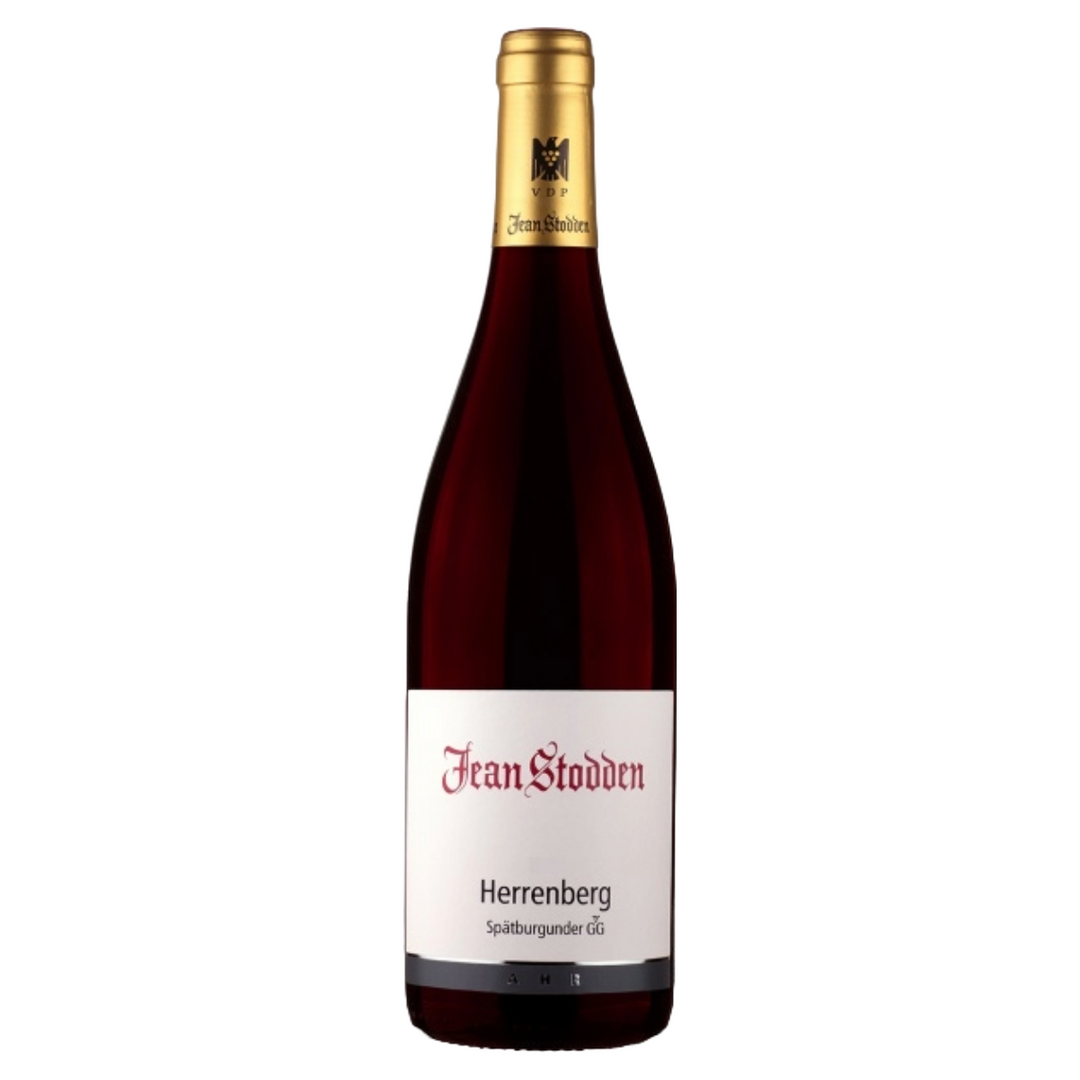
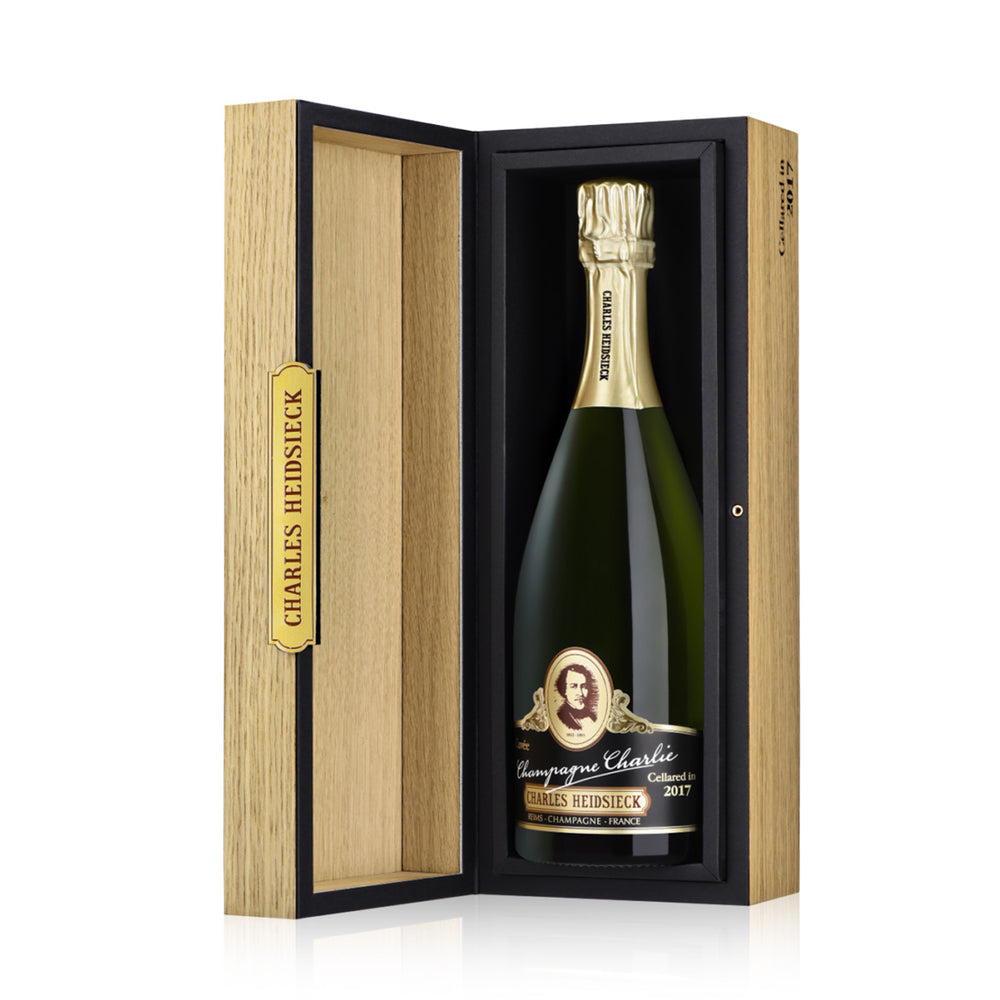
Pinot Noir is notoriously difficult to grow, preferring cooler climates where it can ripen slowly and develop complexity while retaining its natural freshness. Beyond Burgundy, it has found outstanding homes in Oregon's Willamette Valley, New Zealand's Central Otago and Martinborough, Germany's Baden and Ahr, Australia's Yarra Valley and Tasmania, and cooler parts of California. Each region gives the grape its own character, from bright cherry and cranberry-driven styles to richer expressions layered with spice and earthy complexity. Pinot Noir is also one of the three principal grapes used in Champagne, where it contributes body, structure and depth.
Climate and winemaking impact
Few grapes are as transparent as Pinot Noir. Cool climates produce wines with bright acidity, delicate tannins and flavours of red cherry, raspberry and cranberry, often accompanied by floral and savoury notes. As temperatures rise, the fruit becomes darker and riper, bringing flavours of black cherry, plum and baking spice. Because the grape has naturally thin skins, winemakers tend to handle it gently to preserve its elegance. Oak is usually used with restraint, adding subtle notes of cedar, clove and vanilla rather than dominating the wine. The finest examples balance vibrant fruit with savoury complexity, making Pinot Noir one of the most rewarding and food-friendly red wines in the world.